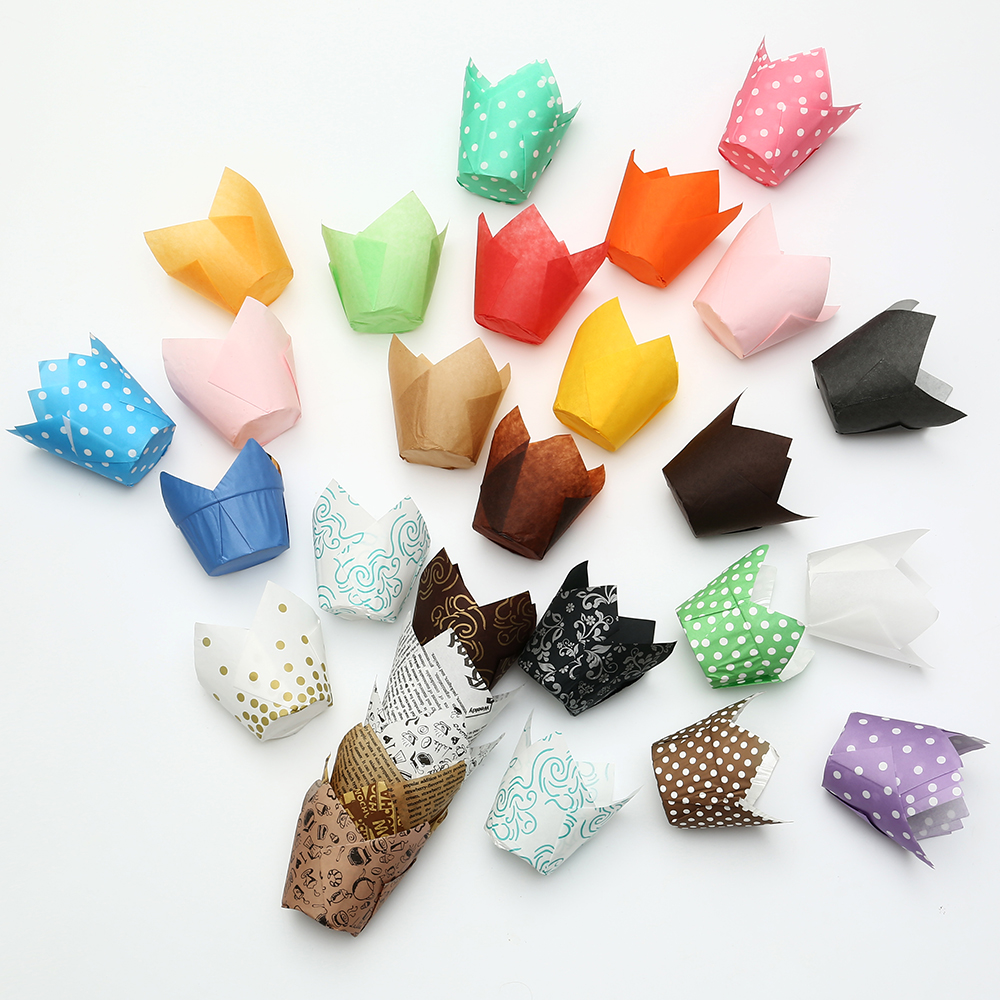
Even experienced bakers run into liner issues. The following fixes address the most common complaints and can be turned into helpful on-site FAQ content that captures search intent around "cupcake liners sticking," "cupcake liners peeling away," and "greasy cupcake liners."
Problem: Cupcake liners stick to the cake
Sticking is usually caused by moisture, sugar caramelization, and low-fat batter. Sugar melts and caramelizes where the liner meets the hot pan; low-fat recipes lack the natural release provided by butter, oil, or yogurt. The fix is to use parchment/greaseproof liners, lightly grease the liner, avoid overbaking, and move cupcakes to a wire rack promptly after the short pan rest [2][12].
Problem: Liners peel away from finished cupcakes
Peeling is a moisture and cooling issue. Steam trapped between the cake and liner causes the paper to detach as the cupcake shrinks and cools. The fix is the two- to five-minute rule plus immediate transfer to a wire rack, ensuring cupcakes are 100% cool before storage [3][6]. Recipes naturally high in fruit or dairy are more prone to peel, so extra attention to cooling is warranted.
Problem: Greasy or soggy bottoms
Soggy bottoms are typically a cooling problem or a sign of excess butter/fat pooling. Leaving cupcakes on a hot pan continues to steam the bottoms; transferring them to a wire rack allows airflow underneath. For high-fat bakes, the rice-layer trick under the liner helps absorb excess grease [3][12]. Using good-quality, sufficiently thick liners also reduces the chance that butter will seep through the wrapper.
Problem: Cupcakes spread into flat discs
This usually means the batter was too thin or the liners were overfilled. A thicker batter and a two-thirds fill level produce better structure and rise [3]. For batters that are naturally thinner, using a slightly sturdier liner—or nesting two liners together for important events—adds stability and reduces the risk of collapse [3].
Problem: Printed colors bleed or look dull
Color bleeding or dullness often comes from low-quality dyed liners or liners that are not greaseproof. When grease soaks into the paper, it can darken colors and make patterns appear blotchy. Choosing greaseproof parchment liners and food-safe, heat-stable inks preserves pattern vibrancy [4]. For pale batters, test a new printed liner with a single cupcake before committing to a full batch.