A "cupcake" and a "muffin" are not just different in name; they are different in their fundamental chemical formulations. And these formulations have a direct impact on how a cupcake liner performs. A liner that works perfectly for a delicate, high-ratio cake batter might fail miserably for a dense, high-fiber muffin batter. Professional bakers understand this implicitly—they choose their liner based on the batter's sugar, fat, and liquid content. This guide will decode the science of batter formulation and match it with the optimal liner choice.
1. The "High-Ratio" Cake Batter (Cupcakes)
This is the batter used for most cupcakes, birthday cakes, and patisserie-style desserts.
- The Formulation: High in sugar and fat (often equal to or greater than the flour weight), high in eggs, and low in liquid. It uses cake flour (low protein) for a tender crumb.
- The Challenge: The high sugar content makes the batter "heavy" and prone to sticking if the non-stick coating is poor. The high fat content can cause "grease bleed" through low-quality paper.
- The Ideal Liner: Standard 35-40gsm, single or double-coated paper liners. The batter is relatively kind to liners. The key is a reliable silicone coating to prevent the sugary batter from caramelizing and sticking. Foil liners are also excellent for heat distribution, creating a fine crumb.
2. The "Muffin" Batter (Quick Breads)
This is the batter for blueberry muffins, bran muffins, and savory biscuits.
- The Formulation: Lower in sugar and fat, higher in liquid (often milk or buttermilk), and uses all-purpose flour (higher protein) for structure. Often contains mix-ins like fruit, nuts, or grains.
- The Challenge: The high liquid content creates a lot of steam, which can make liners soggy. The mix-ins can puncture thin liners. The lower fat content means less natural lubrication, increasing the risk of sticking.
- The Ideal Liner: Heavy-duty 50gsm+ paper liners or foil liners. The extra weight provides the necessary structural support to prevent the liner from collapsing under the weight of the batter and mix-ins. A double-sided silicone coating is crucial to prevent the high moisture content from soaking through.
3. The "High-Fat" Batter (Keto, Brownies, Pound Cake)
This is the batter for low-carb, high-fat diets and rich, dense cakes.
- The Formulation: Extremely high in fat (oil, butter, cream cheese) and eggs, very low in carbohydrates (almond flour, coconut flour).
- The Challenge: This is the ultimate test for any liner. The sheer volume of oil will saturate and destroy a standard paper liner, leading to a "greasy bottom" and a complete structural failure.
- The Ideal Liner: Foil liners or PET (plastic) liners. These are the only materials that are completely impermeable to oil. Heavy-duty, double-coated paper liners can work, but foil is the gold standard for guaranteeing a clean release and a grease-free presentation.
4. The "High-Fiber" Batter (Bran, Whole Wheat)
This is the batter for health-conscious muffins.
- The Formulation: High in fiber (bran, whole wheat flour), which is highly absorbent. Can be low in fat and sugar.
- The Challenge: Fiber acts like a sponge, soaking up moisture from the batter. This can lead to a very dry liner that sticks tenaciously to the cake. The sharp edges of bran flakes can also puncture thin liners.
- The Ideal Liner: Heavy-duty 50gsm+ paper liners with a robust silicone coating. The liner must be strong enough to resist punctures and have a high-quality coating to prevent the dry, fibrous batter from adhering to the paper. A light spray of non-stick spray inside the liner is highly recommended.
5. The "High-Sugar" Batter (Honey, Brown Sugar, Candied Fruit)
This is the batter for sticky buns, honey cakes, and fruitcakes.
- The Formulation: Very high in sugar, often in the form of syrups or molasses. These sugars become extremely sticky and adhesive when heated.
- The Challenge: The molten sugar can act as a powerful glue, welding the cake to the liner. This is particularly problematic with dark, unbleached liners, which can have a more porous surface.
- The Ideal Liner: Foil liners or high-quality, double-coated paper liners. Foil provides a smooth, non-porous surface that the sugar has difficulty bonding with. For paper liners, a thick, high-quality silicone coating is essential. Avoid unbleached liners for these recipes if sticking is a concern.
6. The "Lean" Batter (Angel Food, Chiffon)
This is the batter for light, airy, fat-free cakes.
- The Formulation: No fat (oil or butter), high in sugar and egg whites. Relies on whipped egg whites for leavening.
- The Challenge: The absence of fat means there is no natural lubrication to help release the cake from the liner. The delicate structure can easily tear.
- The Ideal Liner: Never use a standard paper liner. These cakes must be baked in an ungreased tube pan or a liner that is specifically designed for non-stick performance without fat. Silicone liners are a good option, or a paper liner with a superior, high-grade silicone coating. Even then, a very gentle hand is required for removal.
7. The "Wet" Batter (Crepes, Clafoutis - Baked in Liners)
While not traditional cupcakes, some desserts are baked in liners.
- The Formulation: Very high in liquid (milk, eggs), low in flour. Similar to a pancake or crepe batter.
- The Challenge: The liquid can easily leak through the seams of a poorly made liner. The final product can be fragile and difficult to remove.
- The Ideal Liner: Foil liners or heavy-duty paper liners with a heat-sealed, leak-proof bottom. The liner must be able to contain a liquid batter without leaking. Silicone liners are also an excellent choice for their flexibility and non-stick properties.
8. The "Savory" Batter (Meatloaf, Quiche)
This is the batter for protein-packed muffins.
- The Formulation: High in protein (meat, eggs, cheese), high in fat, often contains acidic ingredients (tomatoes, vinegar).
- The Challenge: The high fat content can cause grease bleed. The acidic ingredients can react with aluminum foil. The high protein content can make the final product rubbery and prone to sticking.
- The Ideal Liner: Foil liners are the standard, but for highly acidic recipes, a high-quality paper liner with a barrier coating is safer. Silicone liners are also excellent for their non-stick performance and ease of cleaning.
9. The "Proofing" Factor: How Batter Rises
The way a batter rises also affects liner choice.
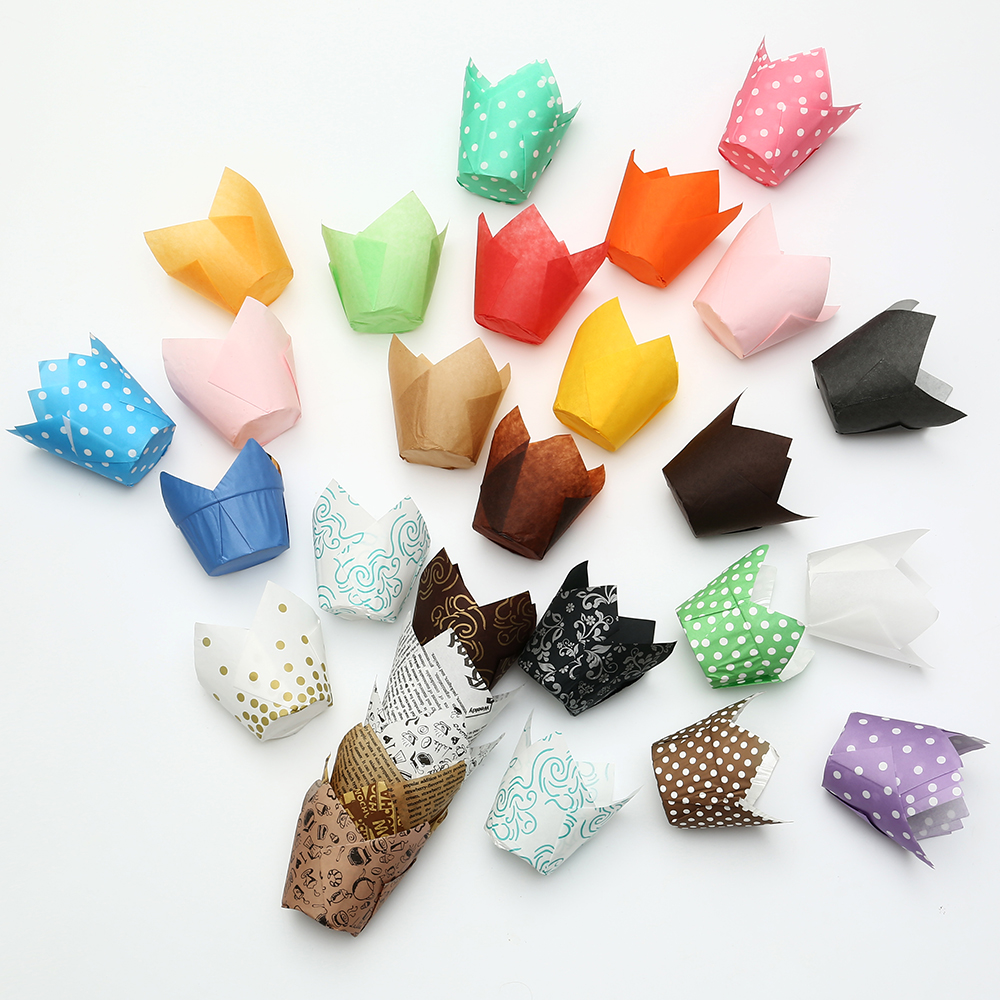
- The "Dome": Batters that rise high (like muffins with a lot of leavening) need a liner with high walls (like a tulip liner) to support the "muffin top."
- The "Spread": Batters that spread out (like some cookie batters baked in liners) need a liner with a wide base and stable walls to contain the spread.
- The "Lift": Batters that lift straight up (like angel food cake) need a liner that provides support without constricting the rise.
10. B2B Strategy: The "Batter-Specific" Liner Catalog
For suppliers, the key is to move away from generic liners and towards a batter-specific catalog.
- The Categorization: Organize your liners by batter type: "For High-Fat Batters," "For High-Fiber Muffins," "For Delicate Cakes," etc.
- The Education: Provide technical data sheets that explain the "Why." For example, "This 60gsm double-coated liner is recommended for keto batters due to its superior oil barrier."
- The Sampling: Offer sample packs that allow bakers to test different liners with their specific recipes. This builds trust and ensures customer success.
Conclusion: Match the Liner to the Chemistry
Choosing a cupcake liner is not a one-size-fits-all decision. It is a technical choice that should be guided by the chemistry of your batter. By understanding the interaction between sugar, fat, fiber, and liquid, you can select the liner that will provide the best performance, prevent sticking, and ensure a perfect presentation. Whether you're a home baker experimenting with a new recipe or a professional bakery optimizing your production line, matching your liner to your batter is the secret to baking success.
Find your perfect match. Our technical baking cups are engineered for every batter type, from lean angel food to rich keto.